
Latest Insights & Notes
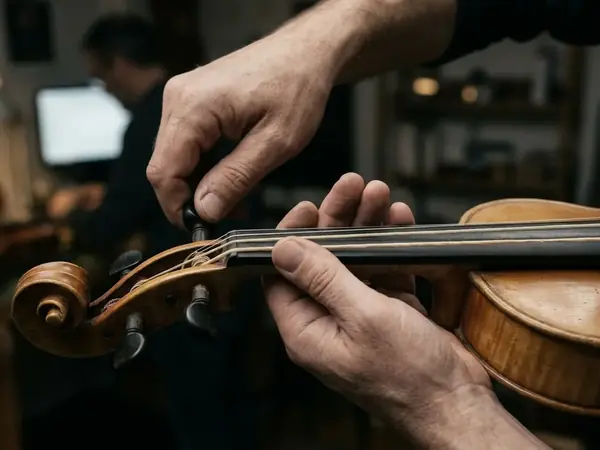



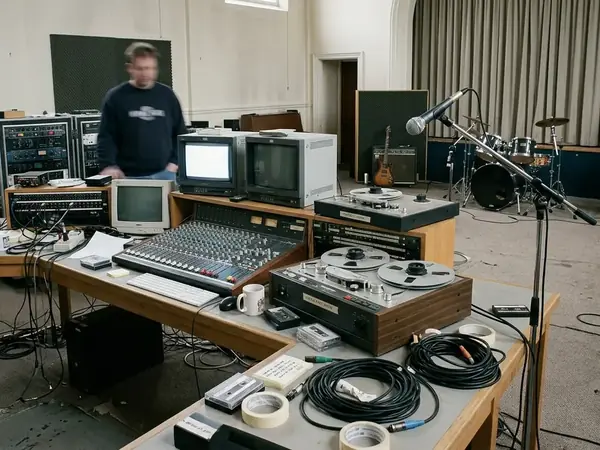
We approach these recordings the way a restorer approaches a varnished instrument: with patience, with reverence, and with a stubborn refusal to flatten what makes them remarkable. The catalog is small by commercial standards. That was always the point. Fewer titles, each one engineered as if it were the last record anyone would ever press.
The Sound of Restraint
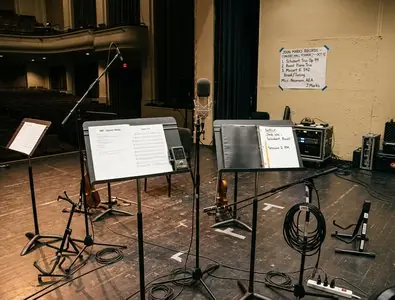
Most listeners assume high fidelity means more — more microphones, more channels, more processing. The JMR philosophy ran the other way. A pair of carefully placed microphones, a quiet hall, and performers who trusted the engineer to capture them without interference.

You hear the result immediately. Stand a violin and a cello in a real acoustic space, record them honestly, and the stereo image holds depth that no amount of artificial reverb can fake. The decay of a note tells you the dimensions of the room. The breath between phrases tells you the musician is alive.
This minimalist approach asks more of everyone involved. There is nowhere to hide a tuning slip, no console trickery to rescue a tired take. What survives is performance in its truest sense.
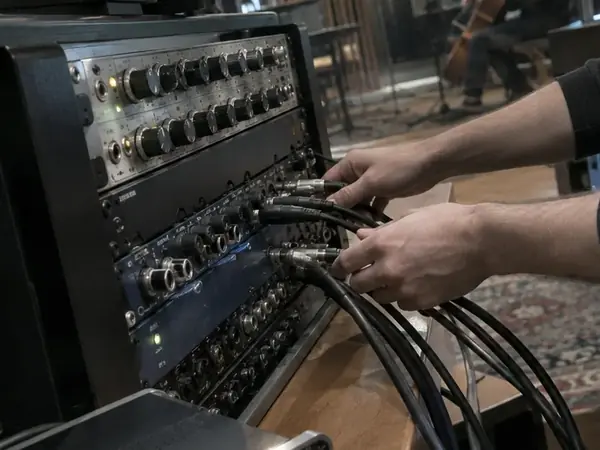
For the technical side of how these sessions were captured, our writing on minimalist miking techniques walks through the placement decisions that shaped the catalog.
Formats Worth the Shelf Space
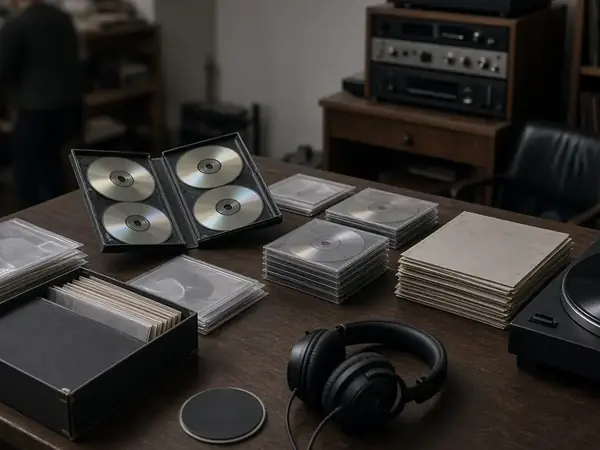
Gold CDs and SACDs occupy a strange place in audiophile culture. Skeptics dismiss them as marketing. Devotees swear by them. The honest answer sits between the two camps and depends entirely on the source material.
When a master tape was made with the care JMR brought to its sessions, the headroom of a high-resolution format genuinely matters. You are not polishing a flawed recording. You are giving an excellent one the space it deserves. That distinction separates a worthwhile reissue from a gimmick.
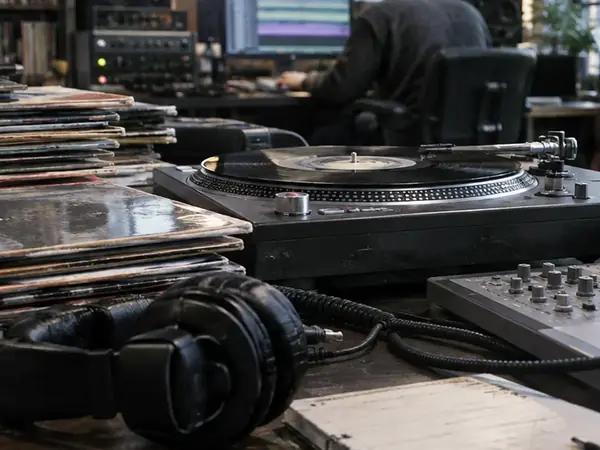
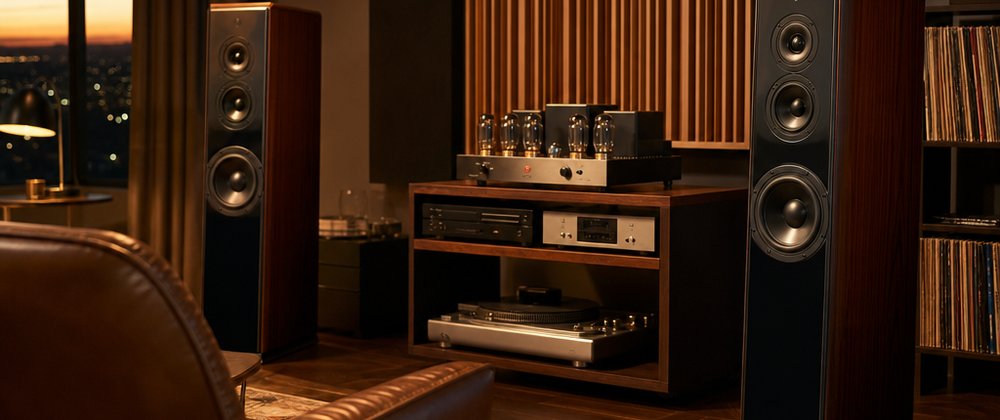
Benjamin Hale and the recordings team have spent years comparing pressings — original CDs against Gold layers, redbook against SACD, and the pattern that emerges is consistent: format rewards quality, it does not manufacture it. Our overview of audiophile playback equipment covers how to actually hear those differences at home.
Where to Begin Reading
This archive organizes itself around four pursuits — the recordings, the artists who made them, the engineering behind them, and the music itself. Start wherever your curiosity pulls you.


Classical Insights
Repertoire, the history of stringed instruments, and the culture of chamber music.
The People Behind the Archive
This work draws on engineers, strategists, and documentation specialists who listen for a living. Their notes inform nearly everything published here.

Amelia Thornton
Senior Audio Engineering Analyst. Focuses on capture technique and acoustic fidelity.

Charlotte Whitman
Principal Classical Insights Strategist. Writes on repertoire and chamber music history.

Benjamin Hale
Director of Audiophile Recordings. Leads format comparison and catalog research.

Yuna Sato
Lead Performance Documentation Consultant. Chronicles featured artists and sessions.

Ji-eun Park
Comparative Audio Strategist. Examines playback chains and listening conditions.

Chinedu Okeke
Senior Benchmarking Analyst. Tests pressings and high-resolution releases.