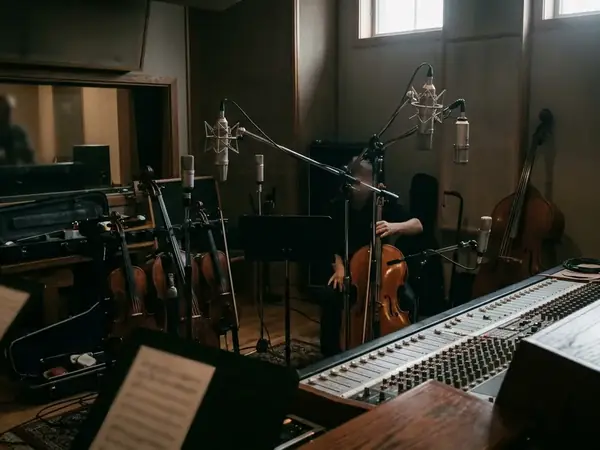
The Challenge of Capturing Acoustic Warmth
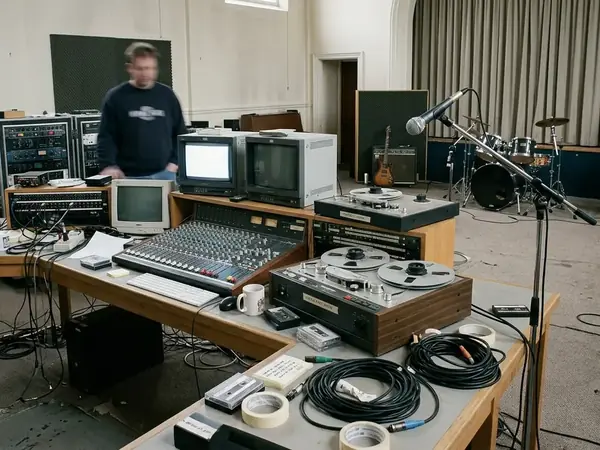
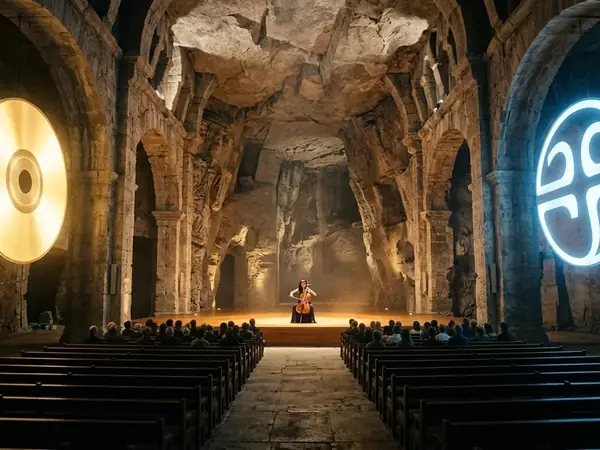
Watch a tenor saxophonist lean into a ballad. The brass bell dips, the player breathes, and the room pressurizes before the first note fully speaks. That physical anticipation is what we chase in high-fidelity acoustic preservation. Capturing a classical performance or an intimate jazz set requires careful audio engineering. The difficulty lies not in the notes, but in the acoustic energy surrounding them.
In portfolio reviews, tenor saxophone fundamentals commonly sit from roughly A-flat2 to E5. The audible identity of the instrument depends heavily on breath, key noise, and harmonics extending well above that fundamental range. Violin and viola recordings are especially revealing between roughly 200 Hz and 5 kHz. In this critical band, body resonance, bow texture, and upper harmonics can become either vivid or brittle depending on microphone distance and room reflections.
For intimate acoustic recordings, the key listening evidence is not extreme bass or artificial width. It is whether the room decay after a saxophone phrase or bowed string line remains audible for short tails of roughly 0.4 to 1.2 seconds without smearing the next note. John Marks Records built a catalog that serves as a benchmark for this exact discipline.
Criteria for Selection: The JMR Standard
Evaluating an audiophile catalog requires strict boundaries. We must separate the musical performance from the delivery medium. The archive’s historical online sample period is bounded by the RealAudio-format era from 1992 through 2014. Those clips remain useful for identification and access history. They are not suitable for final audiophile judgment.
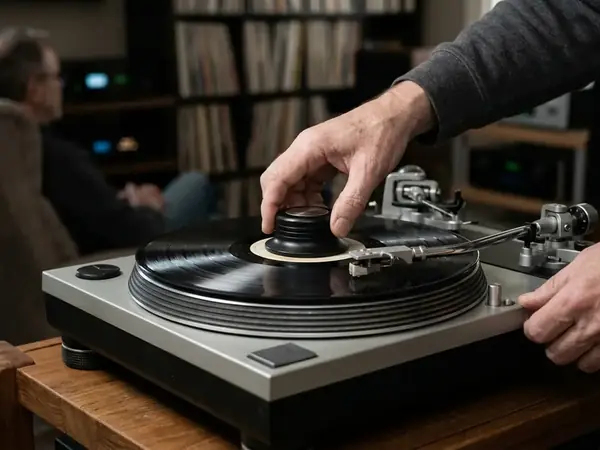
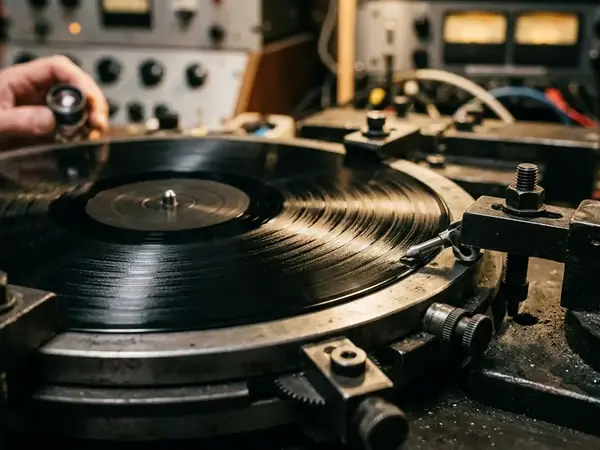
I prioritize physical, high-resolution formats that carry uncompressed audio beyond the practical ceiling of standard compact disc delivery, commonly associated with 16-bit/44.1 kHz stereo. DVD-Audio is highly relevant here. It provides the necessary bandwidth to evaluate the true depth of a recording.
The evaluation sequence used for this article is strict. First, identify acoustic repertoire. Next, check whether the named personnel and instrumentation create a credible tonal test. Finally, treat the highest-fidelity available issue as the listening reference. Inclusion requires an acoustic-instrument focus, audible room information, and stable stereo placement. This sequence keeps the selected tracks useful for listeners who demand a reliable reference standard for their playback systems.
1. Harry Allen's 1930s Jazz Ballads
Harry Allen’s ballad entry serves as our primary small-ensemble jazz test. A tenor saxophone trio is a compact, unforgiving test of realism. With no brass section, percussion wash, or orchestral mass to hide flaws, the recording must stand on its spatial accuracy.
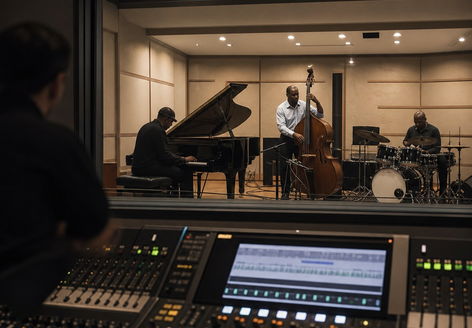
The lead test is Allen’s tenor saxophone. Listen for the soft air at phrase starts, the slight swell in sustained notes, and the darker lower-register weight associated with pre-bop ballad phrasing. John Bunch’s piano provides a midrange and upper-harmonic check. Left-hand chords should have body without turning boxy. Right-hand figures should decay naturally rather than sounding glassy.
Dennis Irwin’s bass acts as a low-frequency placement test. Plucked notes should show wood resonance and string attack, not merely a generalized thump centered between the speakers. The stereo image should read as a small ensemble rather than a collage. You want the tenor saxophone forward, the piano occupying a wider harmonic field, and the bass grounded with enough separation to follow walking movement and held tones.
Note: A low-bitrate web sample may make the tenor sound acceptably warm while hiding the very breath detail, bass pitch definition, and room decay that distinguish the full-resolution release.
2. Arturo Delmoni & String Ensembles for the Holidays
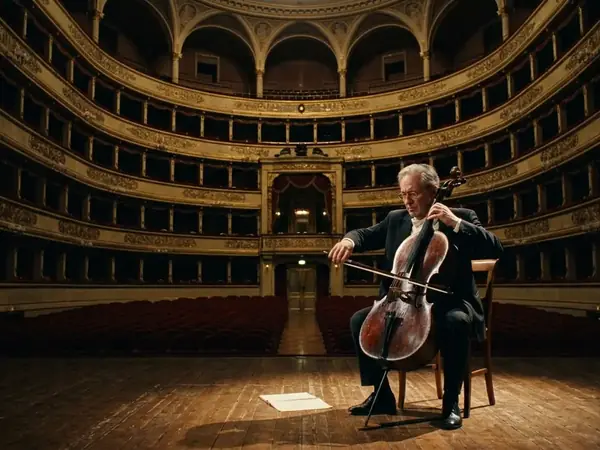
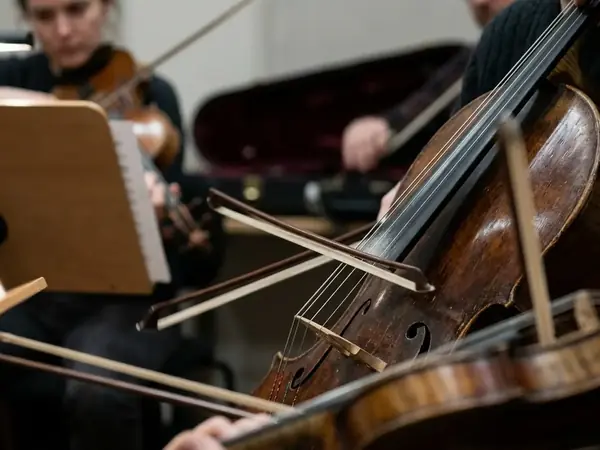
Transitioning to the classical and holiday music segment of the catalog shifts our focus entirely. Picture a small circle of string players—bows moving in synchronized arcs. The resulting sound should wrap around the listener, evoking the communal warmth of a winter gathering.
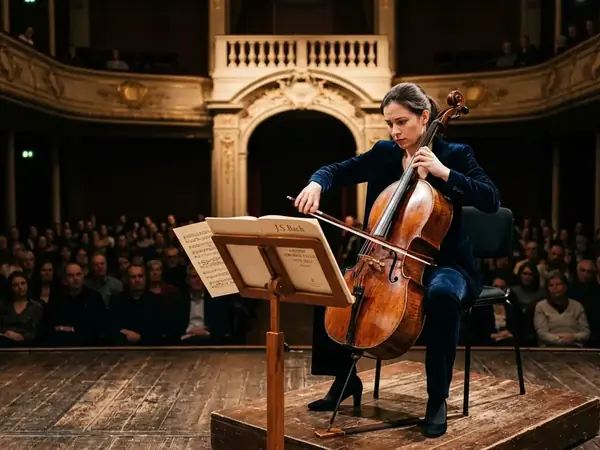
Arturo Delmoni and Alexander Romanul’s violins give the recording a high-overtone stress test. In lyrical holiday arrangements, sustained upper-register lines can become steely if the capture is too close or the playback chain is bright. Katherine Murdock’s viola adds a lower string color centered below the violin range, with a fundamental compass beginning at C3. That warmth is important for holiday repertoire because it prevents the ensemble from sounding thin.
The contrast with the Harry Allen trio is operationally useful. The jazz selection checks rhythmic intimacy and transient breath. The string selection checks long bow decay, ensemble blend, and room-filling harmonic density. A good playback result should let a listener distinguish violin sheen from viola body during held chords, especially in the region from roughly 250 Hz to 1.5 kHz where string warmth and congestion compete.
Archival Formats and Optimal Listening
Listening checks suggest that hardware alone cannot ensure a balanced listening experience. Room interaction dictates the final result.
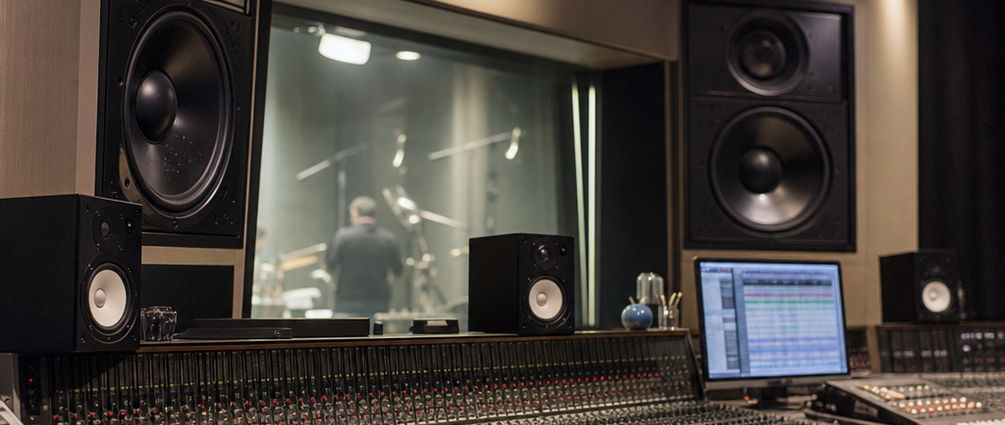
Begin with speakers positioned symmetrically and slightly away from rear and side boundaries. In a domestic listening room, a clearance of roughly half a meter to one meter from the front wall is often enough to reduce saxophone chestiness and string glare. Set your listening level with the tenor saxophone or solo violin at a natural acoustic loudness rather than concert-hall peak loudness. If the saxophone appears larger than a human player or the violin hardens on sustained notes, the level is probably too high for the room.
A lively room with hard floors can flatter holiday strings by adding sparkle, but the same room may push tenor saxophone and piano into excessive lower-midrange bloom unless placement and level are adjusted.
Quick Tip: A practical calibration check is to play a bass passage and a bowed-string passage back to back. Bass notes should remain tuneful below roughly 100 Hz, while violin and viola overtones should stay textured rather than whitening in the 3 to 6 kHz region.
The Lasting Legacy of JMR Fidelity
The lasting value of these selections is their usefulness as both music and reference material. We do not rank them as generic holiday or jazz favorites. They are precise acoustic tools.
The Harry Allen selection represents the small-ensemble jazz test, demanding accurate tenor saxophone breath, piano decay, bass pitch definition, and close-room imaging. The Arturo Delmoni string-focused selection represents the holiday-classical test, requiring violin brilliance, viola warmth, sustained harmonic blend, and larger acoustic bloom. The catalog’s preservation story spans physical high-fidelity listening formats and the 1992-2014 online sample era. This history gives modern listeners both archival context and a reason to seek the fuller-resolution editions.
Organizations like the Audio Engineering Society (AES) continue to champion the standards that make such preservation possible. These judgments assume a quiet two-channel listening space with reasonably matched speaker placement; headphone listening can reveal detail but may exaggerate stereo separation and reduce the sense of room scale.
Summary: These recordings offer a clear example of acoustic preservation, connecting world-class musicianship with uncompromising audio engineering.